Commercial Real Estate (CRE) Investor Question #78: What are the top 10 issues facing Commercial Real Estate?
The Counselors, a commercial trade group for CRE designees, surveyed its members to identify current and emerging trends in the commercial sector for its annual list of issues affecting real estate for 2020–2021:
Real Estate historically has been a slow adopter of technology, but the past few years have seen explosive growth and interest in Real Estate Tech (also called PropTech or CRETech). In this article, we’ll look at the PropTech landscape and try to understand the various areas within Real Estate where innovation (or so-called innovation) is occurring. As an investor in companies or deals, we need to evaluate how technology is disrupting the sector and who the winners will be.
What exactly is CRETech or PropTech?
Before we dwelve deeper in the PropTech space. What exactly is PropTech? There are also other terms like CRETech, ConTech, FinTech which are used in the space. Let us level set and review PropTech’s summary from a Medium article.
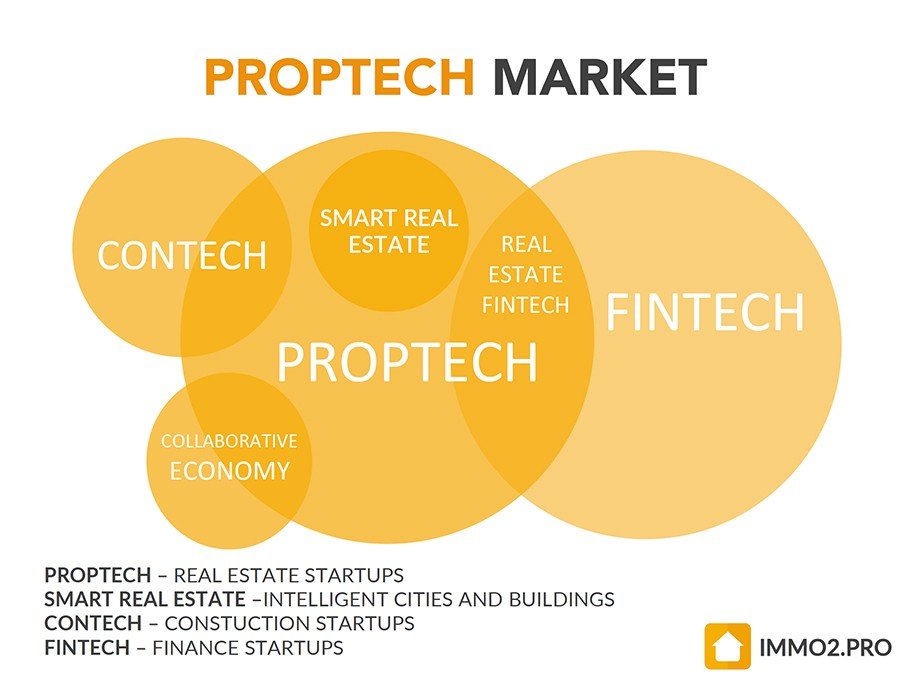
In short, PropTech stands for all the companies that are taking on the real estate industry to make it better, spurred by an ever-changing digital landscape and new consumption patterns. It is still a new trend, and its scope will surely evolve as time goes by. Today, several verticals emerge within PropTech: the real estate market per se (PropTech), smart cities and buildings, the sharing economy, the home building industry (ConTech) and finance (FinTech). Both ConTech and FinTech have very close ties with the real estate industry.
For the purpose of this article, we will only look at the proptech or CREtech space as there are MANY areas within that.
Why PropTech now?
2020 has probably been one of the toughest years for those in Commercial Real Estate (CRE). Some property types, like office, are having an impact even WAY bigger than the Global Financial Crisis (GFC) of 2008. Why worry about PropTech when the industry is itself going through a big change? No sector is immune to technology disruption or innovation. It started with retail, digital media, financial services, and the list goes on. Real Estate actually has been slow to adopt technological change with a lot of innovation only happening in the past few years.
You may have heard this before but COVID-19 has accelerated digital and technology transformation in the real estate industry. This sentiment is captured by Michael Beckerman in his blog:
Thinking about my industry, real estate technology, this past year was one that experienced 10X adoption in 10 months. It was for all the wrong reasons, but the speed and pace of tech adoption were truly staggering in real estate (and in most businesses during the pandemic). Literally overnight, companies had no choice but to get their tech house in order and to scramble to adopt as many smart solutions as possible to be able to reopen in the safest and healthiest manner possible, operate effectively in a remote work environment, and meet the needs of their customer base who were demanding digital solutions to engage with.
And as I reflect on what’s ahead for real estate tech and real estate in general, I truly believe we are about to enter the “Golden Age of Real Estate!”
Now that we understand CRETech and its importance today, what are the various areas of innovation? CRETech is a broad area and we’re going to break it down. We’ll use the breakdown used by Venture Scanner which has research, data, and trends on 2020 real estate technology startups. Even the sample below is bound to give some a headache, but the idea is to look at the broad categories and see what kind of disruption or innovation is happening. Put another way, where is a lot of Venture Capital (VC) money flowing into?
Here are the major categories of innovation:
Property Search and Real Estate Agent Tools (Home, Rentals, Commercial): This spans home, rentals, vacation, office space, etc.
Insurance, Home Services, and Marketplaces: Our focus here is on the home, property, or rental insurance sector
IoT, Property & Facilities Management: IoT devices and software used to manage properties and improve efficiencies
Construction Management: Different from Construction Technology, which is more physical built focused
Portfolio Management / Investment Management: Software for managing assets, deals, and investors
Design and Indoor Mapping: Interior and exterior architecture and design software
Investor Takeaways
In this article, we looked at the definition of PropTech, the lay of the land, and the key segments. The key segments of PropTech and the companies therein give an idea of the kind of innovation disrupting the CRE industry. As an investor and sponsor, it is important to leverage the platforms that will improve the efficiency across the entire investment lifecycle as well as the property lifecycle. As real estate investors, though we don’t need to follow each company, each segment of disruption give us opportunities to leverage for our real estate portfolio.
Real Estate historically has been a slow adopter of technology, but the past few years have seen explosive growth and interest in Real Estate Tech (also called PropTech or CRETech). In this article, we’ll look at the PropTech landscape and try to understand the various areas within Real Estate where innovation (or so-called innovation) is occurring. As an investor in companies or deals, we need to evaluate how technology is disrupting the sector and who the winners will be.
What exactly is CRETech or PropTech?
Before we dwelve deeper in the PropTech space. What exactly is PropTech? There are also other terms like CRETech, ConTech, FinTech which are used in the space. Let us level set and review PropTech’s summary from a Medium article.
In short, PropTech stands for all the companies that are taking on the real estate industry to make it better, spurred by an ever-changing digital landscape and new consumption patterns. It is still a new trend, and its scope will surely evolve as time goes by. Today, several verticals emerge within PropTech: the real estate market per se (PropTech), smart cities and buildings, the sharing economy, the home building industry (ConTech) and finance (FinTech). Both ConTech and FinTech have very close ties with the real estate industry.
For the purpose of this article, we will only look at the proptech or CREtech space as there are MANY areas within that.
Why PropTech now?
2020 has probably been one of the toughest years for those in Commercial Real Estate (CRE). Some property types, like office, are having an impact even WAY bigger than the Global Financial Crisis (GFC) of 2008. Why worry about PropTech when the industry is itself going through a big change? No sector is immune to technology disruption or innovation. It started with retail, digital media, financial services, and the list goes on. Real Estate actually has been slow to adopt technological change with a lot of innovation only happening in the past few years.
You may have heard this before but COVID-19 has accelerated digital and technology transformation in the real estate industry. This sentiment is captured by Michael Beckerman in his blog:
Thinking about my industry, real estate technology, this past year was one that experienced 10X adoption in 10 months. It was for all the wrong reasons, but the speed and pace of tech adoption were truly staggering in real estate (and in most businesses during the pandemic). Literally overnight, companies had no choice but to get their tech house in order and to scramble to adopt as many smart solutions as possible to be able to reopen in the safest and healthiest manner possible, operate effectively in a remote work environment, and meet the needs of their customer base who were demanding digital solutions to engage with.
And as I reflect on what’s ahead for real estate tech and real estate in general, I truly believe we are about to enter the “Golden Age of Real Estate!”
Now that we understand CRETech and its importance today, what are the various areas of innovation? CRETech is a broad area and we’re going to break it down. We’ll use the breakdown used by Venture Scanner which has research, data, and trends on 2020 real estate technology startups. Even the sample below is bound to give some a headache, but the idea is to look at the broad categories and see what kind of disruption or innovation is happening. Put another way, where is a lot of Venture Capital (VC) money flowing into?
Here are the major categories of innovation:
Property Search and Real Estate Agent Tools (Home, Rentals, Commercial): This spans home, rentals, vacation, office space, etc.
Insurance, Home Services, and Marketplaces: Our focus here is on the home, property, or rental insurance sector
IoT, Property & Facilities Management: IoT devices and software used to manage properties and improve efficiencies
Construction Management: Different from Construction Technology, which is more physical built focused
Portfolio Management / Investment Management: Software for managing assets, deals, and investors
Design and Indoor Mapping: Interior and exterior architecture and design software
Investor Takeaways
In this article, we looked at the definition of PropTech, the lay of the land, and the key segments. The key segments of PropTech and the companies therein give an idea of the kind of innovation disrupting the CRE industry. As an investor and sponsor, it is important to leverage the platforms that will improve the efficiency across the entire investment lifecycle as well as the property lifecycle. As real estate investors, though we don’t need to follow each company, each segment of disruption give us opportunities to leverage for our real estate portfolio.
Commercial Real Estate (CRE) Investor Question #77: What is an option to purchase? Why would a investor use it?
An option to purchase real estate is a legally-binding contract that allows a prospective buyer to enter into an agreement with a seller, in which the buyer is given the exclusive option to purchase the property for a period of time and for a certain (sometimes variable) price.
During the option period, the seller cannot transact with any other parties interested in purchasing the property.
Sometimes, options are used in sale-leaseback or build-to-suit arrangements when the seller is unable to obtain the financing necessary to improve the property. Options are also used by investors in situations where the development potential of the site is unknown.
Here are some key ways to improve the IRR (Internal Rate of Return) of a property:
Increase the amount of debt in the deal. It will increase leverage and the pros/cons need to be weighed.
Buy at a discount or attractive price. It is important to buy at the early stage of the real estate cycle, if possible.
Increase the rental income and/or reduce expenses through tenant improvements or efficiently running operations. For e.g. providing additional amenities.